IGR ConcentrateGentrol IGR Concentrate, 1 pint (16 oz)Mix this concentrate into your pump sprayer to keep immature roaches, pantry pests, and drain flies from molting into breeding adults across large spaces.★ 4.6 out of 5
$84.99

Gentrol IGR Concentrate mixes at one fluid ounce per gallon of water. That is the rate on the label, and it does not change with the size of the problem. A heavier infestation gets more coverage and more visits, not a stronger tank.
Fill the tank partway, add the concentrate, then top up so the agitation does the blending for you. A gallon mixed this way treats about 1,500 square feet, which is worth doing the math on before you mix three gallons for a studio apartment.
The figure describes treated surface, not floor plan. A kitchen where you are working baseboards, the void behind the stove, under the sink and along the plumbing wall might spend a fraction of a gallon. A commercial dish room with racks, drains and long runs of wall can take much more.
The honest way to plan is by route: walk the room, note every seam and void you intend to reach, and let the label rate turn that walk into gallons. The number on this page is the ceiling, not the promise.
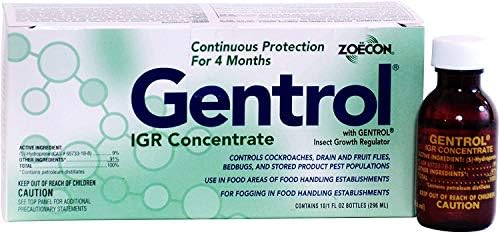
We put the concentrate up two ways. The box of ten 1 oz bottles is premeasured: one bottle, one gallon, no measuring cup, no drift in the rate over a season. For a homeowner or a tech doing occasional work, the small bottles are the version that keeps the arithmetic out of it.
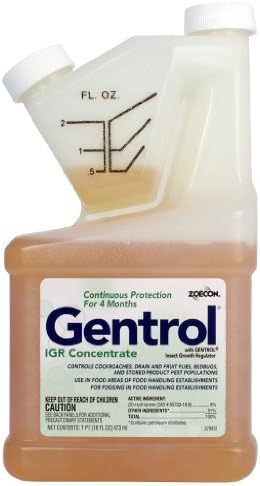
The pint makes sense on a route. Sixteen ounces is sixteen gallons of finished spray, which is a lot of accounts on one shelf. The trade is that you are now measuring each ounce yourself, so a marked cup lives next to the bottle.
The concentrate is built to ride along in a tank beside other products, which is how a lot of accounts run it: one pass lays the regulator and the second material together. Both labels have to agree with the pairing, so the pre-mix step is reading, not pouring.
When in doubt, jar it first. A small jar of the intended mix shows separation or clouding before a whole tank does.
Stored cool and dry, the concentrate holds for up to three years. What ages a bottle early is heat and sun, so the truck dashboard in July is the wrong shelf, and so is the windowsill over the mop sink.
Mixed spray is another matter. Blend what the day will use, because a tank that sits loses the plot. The bottle is the storage form, the tank is the working form.
The rest of the guide covers the other formulations and the rooms they were written for.